
The History of Informed Consent
Why consent matters, how protections were built, and what still needs to change.

Connecting History to Today
The history of the Informed Consent Form (ICF) shows how protections were added step by step — to prevent abuse, to ensure participants were informed, and to guarantee respect. Yet history also teaches us that informed consent is not finished; it evolves through advocacy and accountability.
Today, one of the most glaring issues facing healthy volunteers is age-based exclusion. Many studies arbitrarily exclude individuals over 40, 50, or 60 — not for medical reasons, but because it is simpler for sponsors to design and for clinics to manage. These exclusions shut out capable, willing participants with no scientific justification.
This Matter Because:
• Older adults lose opportunities to contribute and benefit financially.
• Clinical trials should treat participants based on health, not age.
• Excluding qualified volunteers undermines fairness and trust in science.
The ICF is Not Fixed in Stone — It Evolves with Society, Ethics, and Advocacy!
Each Milestone Happened Because People Demanded Fairness and Equality!
Now it’s Time for the Next Step!
Timeline of Key Milestones in Informed Consent
1947 – Nuremberg Code
Declared that voluntary consent is absolutely essential after Nazi medical experiments revealed horrific abuses.
1964 – Declaration of Helsinki
Required participants to be informed of risks and benefits; participant well-being must always come before science.
1966 – Henry Beecher’s Article
Exposed 22 unethical U.S. studies in the New England Journal of Medicine, raising global awareness.
1972 – Tuskegee Syphilis Study Exposed
Journalists revealed Black men were denied treatment for decades. Public outrage led directly to reforms.
1974 – National Research Act / Belmont Report (1979)
Established core principles: Respect for Persons, Beneficence, and Justice.
1981 – U.S. Federal Regulations
Required ICFs to cover study purpose, risks, benefits, alternatives, confidentiality, and voluntariness.
1991 – The Common Rule (45 CFR 46)
Codified federal regulations establishing IRB oversight and informed consent requirements across the U.S. agencies
1990s – Expanding Protections
Added rights around compensation for injury, withdrawal, and clearer confidentiality.
2000s – Privacy & Genetics
ICFs updated for genetic testing, biobanking, and HIPAA privacy laws.
2018 – Revised Common Rule
Added a plain-language “Key Information” section to make consent easier to understand.

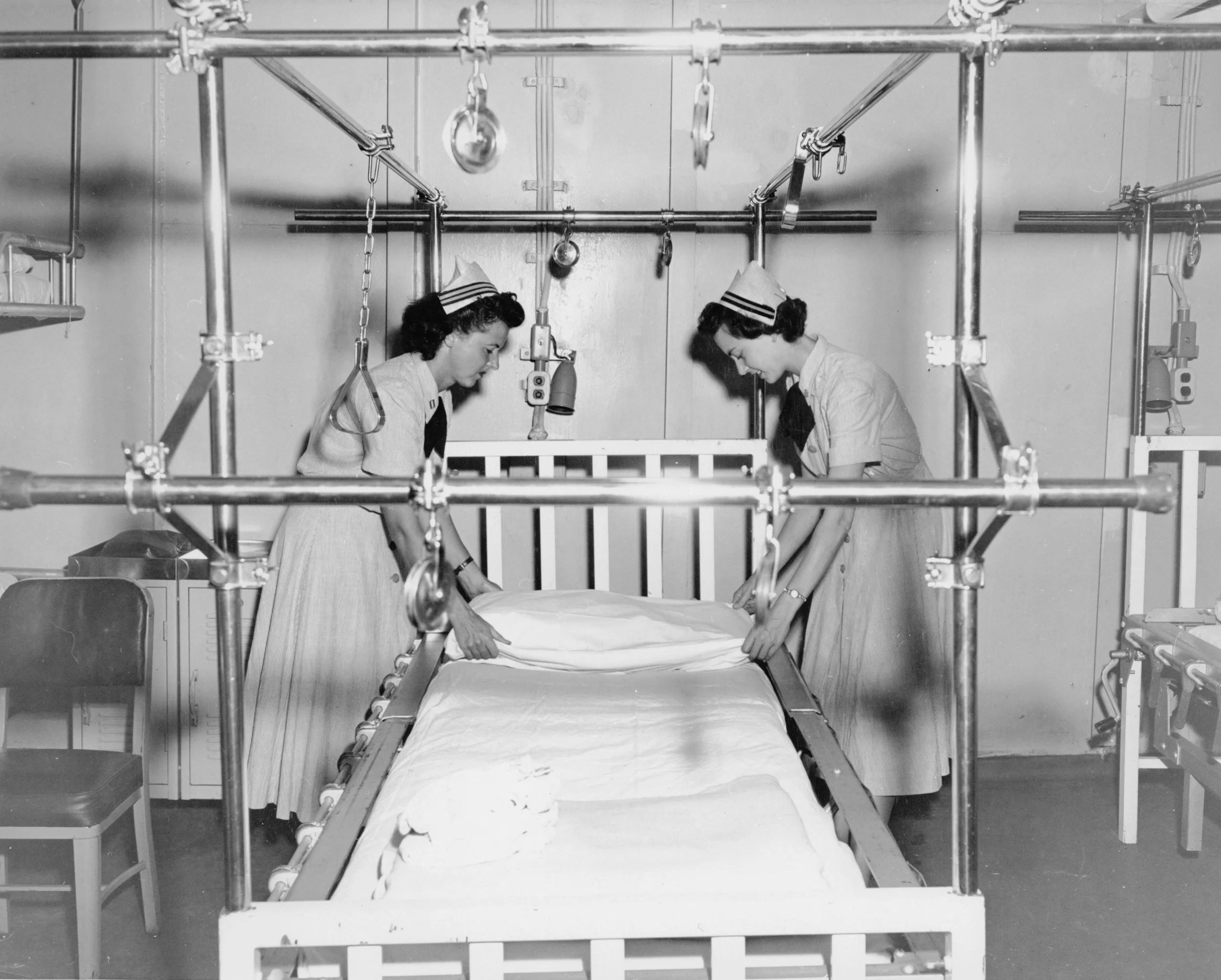
When clinical research began, participants had almost no protections.
Consent was often assumed, not documented, and risks were rarely explained.
The Informed Consent Form (ICF) we know today was built step by step — Often after abuse, scandal, or strong advocacy.
This history matters, because it shows us how far we’ve come, and why more change is still needed.

Important Note:
These issues represent real, documented concerns affecting healthy volunteers today the HVA is in the process of formally addressing these matters with federal oversight bodies including the FDA (Food and Drug Administration) and OHRP (Office for Human Research Protections) as part of its ongoing advocacy efforts.
History shows informed consent evolves when people speak up.
Join HVA to make sure healthy volunteers are not left behind
Where HVA Steps In..
Scientific Justification for Age, BMI, and Other Eligibility Restrictions
HVA advocates for clear, evidence-based justification when arbitrary age exclusions, BMI cutoffs, or other eligibility criteria are used, particularly when they exclude otherwise healthy, capable volunteers without a scientific basis.
2. Clear and Accurate Informed Consent
ICF’s should clearly explain risks, screening consequences, and participant obligations before participation, including the use of participant tracking systems and the consequences of screening (Dual-Screening) at more than one site.
ICF’s should also clearly disclose whether participants will be compensated or reimbursed appropriately, for time, travel, and related expenses-and whether compensation will be prorated or fully provided if a study is cancelled, paused, or a participant is withdrawn for reasons unrelated to participant non-compliance. This includes mid-study removal at the discretion of the principal investigator.
3. Protection Against Retaliation and Unilateral Bans
Volunteers must be protected from retaliation for asking questions, reporting concerns, or seeking clarification. Any bans or restrictions should be documented, justified, and approved by appropriate oversight (PI and/or governing boards), with clear reasons provided to the participant.
4. Clear, Independent Pathways for Communication and Resolution
Participants should have access to a clearly identified, non-biased liaison as a first point of contact, separate from study staff and IRB’s, for questions, concerns, and clarification.
This liaison’s title and/or name, along with direct phone number with voicemail and e-mail address, should be listed in the ICF, in addition to IRB contact information, so participants know where they can safely seek guidance without fear of retaliation or unilateral consequences.
5. Fair Compensation for Canceled Studies
Volunteers often lose time and money when studies are canceled last-minute. HVA advocates for every ICF to include a sponsor’s obligation to compensate participants fairly if a study is canceled after acceptance.
Why This Matters Now
Healthy volunteers are essential to clinical research- not just test subjects!
When otherwise qualified individuals are excluded due to age, sex, or BMI without clear scientific justification, the entire research ecosystem is affected. Studies are delayed volunteers lose income opportunities and trust in the system erodes.
Clinical research should rely on evidence based eligibility criteria. Age, BMI, or sex alone should not be used as grounds for exclusion in the absence of scientific rationale just as diagnostics and treatments do not rely on these factors as stand-alone eligibility criteria.
The next chapter is clear:
Healthy volunteers must be included and respected.
“Science Needs Us All…Healthy At Any Age”
Join the movement for fairness, transparency, and respect.