
Participant Responsibilities
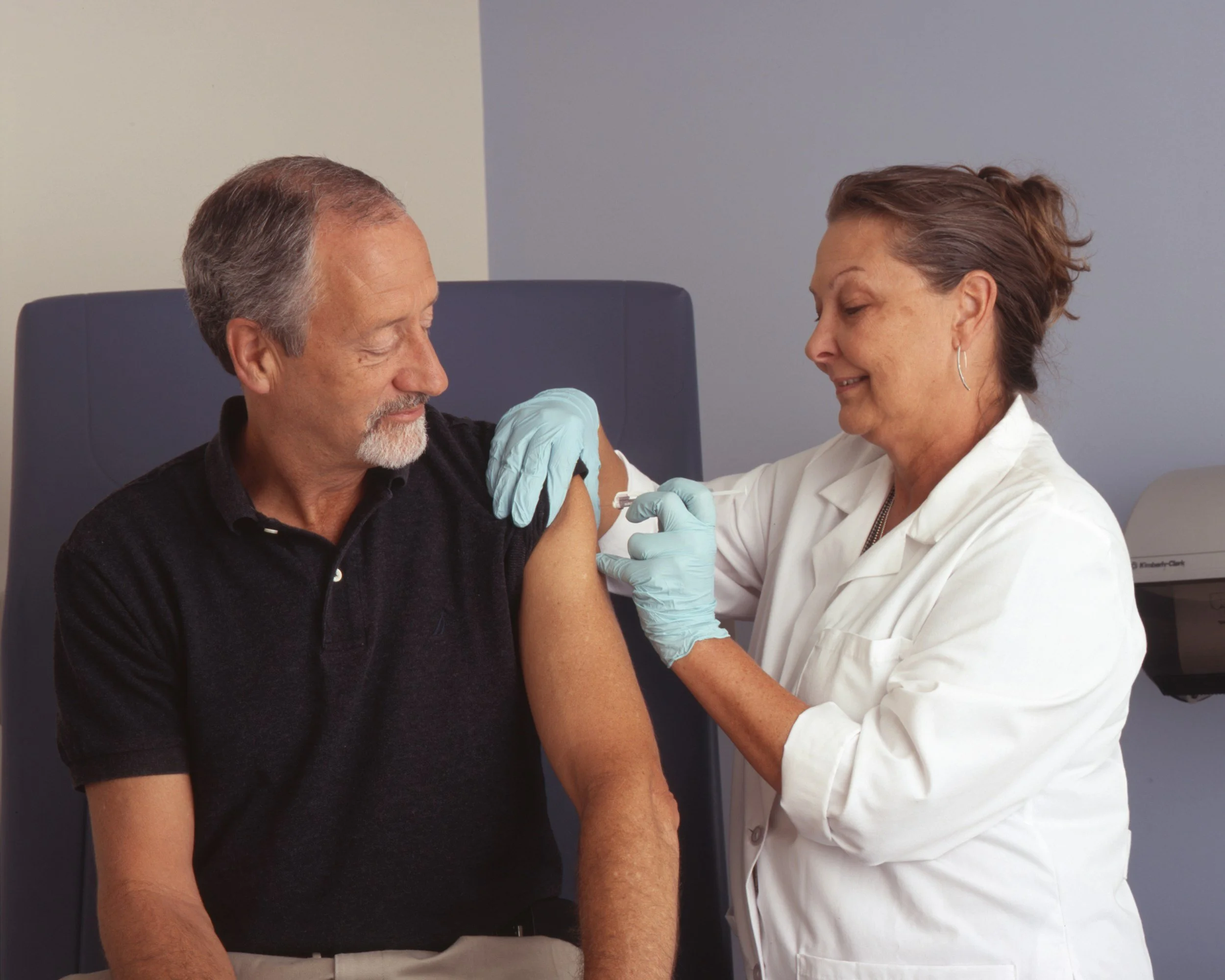




Healthy volunteers play a critical role in advancing medical research. To support a safe, respectful, and well-run study environment, participants are expected to:
Commitment to Professionalism
HVA promotes a culture of responsibility, integrity, and maturity within the healthy volunteer community. Professionalism is the foundation of a safe and successful research environment, and we work to ensure volunteers understand their role in maintaining it.
We emphasize:
Respectful, calm communication with staff and fellow participants.
Punctuality and reliability, including timely arrival for screening, check-ins, dosing, and all required procedures.
Honest and accurate reporting of adverse events (AEs), which helps protect participant safety and maintain study integrity.
Full adherence to the Informed Consent Form (ICF) and all clinic policies, regardless of personal preference.
Volunteers are reminded that participation in clinical research is a privilege—not an entitlement. Every individual’s behavior affects the opportunities available to the community as a whole.
We teach that supporting clinic staff, following protocol, and maintaining professional conduct are essential to preserving trust between volunteers and research sites, and ensuring a positive, sustainable environment for everyone involved.
Respect for Other Participants
Participants are expected to maintain a respectful, considerate environment for everyone in the unit. Each volunteer has the right to feel safe, comfortable, and free from intimidation.
Respecting fellow participants includes:
No bullying, harassment, or aggressive behavior toward anyone in the unit.
No interfering with another participant’s study participation, lab schedule, dosing, or rest.
Being mindful of noise and shared spaces, including sleeping areas and common rooms.
Respect personal boundaries — not everyone wants to talk, share personal details, or socialize.
Maintaining a calm, cooperative atmosphere, especially during long confinement periods.
A positive participant community supports smooth clinic operations and helps everyone complete the study successfully.
Preparing for Limited Space & Facility Restrictions
Clinical research facilities often have limited space, particularly during confinement periods. Participants are encouraged to pack accordingly and bring only essential items.
Each clinic maintains its own policies regarding what is permitted on-site. It is important to check with the individual clinic in advance to understand any restrictions or guidelines.
When appropriate, connecting with experienced participants or reviewing shared insights in participant chat forums may also help with preparation.
Confidentiality & Boundaries
Respecting confidentiality and maintaining appropriate boundaries protects both volunteers and staff, and is essential to a safe research environment.
Avoid sharing sensitive or personal information in participant settings unless you are fully comfortable with the possibility that it may be shared with others, including staff.
Clinical research environments can be highly competitive, and maintaining appropriate boundaries helps protect your privacy and experience.
Participants are expected to:
Protect the privacy of others by not sharing names, details, or personal information about fellow volunteers or staff.
Refrain from posting photos, videos, or personal content of any participant or staff member without consent.
Avoid discussions about private medical histories, screening outcomes, or sensitive information in shared spaces.
Keep professional boundaries with staff, understanding that staff are required to follow protocols — not personal requests.
Report concerns appropriately (to HVA or staff), rather than involving other participants or escalating publicly.
A foundation of confidentiality and boundaries helps maintain trust throughout the research community.
Compliance With Electronic Device Rules
Electronic devices are a major source of disruption, privacy concerns, and protocol violations. All participants must comply fully with the clinic’s device policies.
This includes:
Using phones and devices only at permitted times, and only in approved areas.
Never record photos, videos, or audio inside the clinic unless explicitly permitted by staff.
Respecting the privacy of other participants and staff — no filming, posting, or sharing clinic content online.
Avoiding loud or disruptive device use, especially in sleeping areas or during lab collections.
Turning devices off or storing them properly when required by the protocol.
Failure to follow device rules can jeopardize study integrity and participant safety, which is why strict compliance is essential.
The HVA Approach
What began as a passion project has evolved into something more. We’re proud of where we’ve been and even more excited for what’s ahead.
What sets us apart isn’t just our process—It’s the intention behind it. We take time to understand the concerns of healthy volunteers and act with purpose, fairness, respect, while safeguarding confidentiality and anonymity.
Simple Principles
We focus on clear communication, mutual respect, and shared accountability to support fair and ethical research environments.
Lasting impact
We advocate with clarity, act with integrity, and remain grounded in fairness, respect, and transparency in clinical research.